Author: Muthukumar

  • Don’t care policy

    How does your mindset affect your financial success?

    I had three times different cars. Now I am retired and going out in car is rare. So my mindset is whenever you want hire a taxi. Most people have luxury cars only for prestige. I don’t care about that.

    I don’t buy unnecessary things. I am a minimalist.

    Happily living without unnecessary debts. No loan, no commitment.

    For health and food I spend. For clothes and necessary things I spend

    I don’t envy on others. No comparisons. Happy living with this mindset.

  • Thank you Master

    If your pet could talk, what would be the first thing it says?

    From puppy since 15-17 years, I brought her up my pet dog Oreo. Since it has black and white spots skin, my daughters named her. Oreo remembers all in our family including my two years old granddaughter. Everyone loves Oreo. Even during our breaks for 2-3 years, she lived in neighbouring house and back to us. She is a காலபைரவர், Hindu deity for Dog.

  • Retired (60+)

    ஆம். இந்தப் பகுதியை தனியாக ஒரு “AI காலத்தில் முதியோர் வாழ்க்கை” பாடமாக எடுத்துக் கொள்வது மிகவும் பொருத்தமானது. மேலும் நீங்கள் அந்த age group-ல் இருப்பதால், இது வெறும் theoretical study ஆக இல்லாமல் “நான் எப்படி வாழ வேண்டும்?” என்ற practical life-design study ஆக இருக்கலாம்.

    முதலில் வயது வரம்பு

    ஆண்கள் 65+ / பெண்கள் 60+ என்று வைத்துக்கொள்வது இந்தியச் சமூகச் சூழலில் ஆய்வுக்குப் பொருத்தமானதாக இருக்கலாம். ஆனால் உலகளாவிய ஆய்வில் ஒரு முக்கியமான வேறுபாட்டை வைத்துக்கொள்வோம்:

    60+ = Older adults / older persons — WHO-வின் ageing framework பெரும்பாலும் 60+ ஐப் பயன்படுத்துகிறது.

    65+ = traditional retirement/older-age threshold — குறிப்பாக சில நாடுகளின் retirement மற்றும் demographic statistics-ல் பொதுவாகப் பயன்படும்.

    பெண்களுக்கு 60+, ஆண்களுக்கு 65+ என்று வைத்தால் அது சமூக/ஓய்வு வாழ்க்கை ஆய்வுக்கான ஒரு இந்திய-சூழல் comparison ஆக இருக்கலாம்; “உயிரியல் ரீதியாக பெண்கள் 5 ஆண்டுகள் முன்னதாக முதியவர்கள் ஆகிறார்கள்” என்று பொருள் கொள்ளக்கூடாது.


    இந்தியாவைப் பொறுத்தவரை WHO India 60+ வயதினரை older people எனக் குறிப்பிடுகிறது; மேலும் அந்த வயதுப் பிரிவில் பெண்கள் ஆண்களை விட எண்ணிக்கையில் அதிகம் எனவும் குறிப்பிடுகிறது.


    —

    நமது புதிய ஆய்வு: “65+ in the AI World”

    நான் இதை வெறும் health of elderly என்ற பாடமாக வைக்க மாட்டேன்.

    மாறாக:

    > “65 வயதுக்குப் பிறகு வாழ்க்கையை முடிவுக்கான காலமாக அல்ல, புதிய வாழ்க்கை கட்டமாக எப்படி வடிவமைப்பது?”


    என்று பார்ப்போம்.

    1. 🫀 Physical Health

    Walking / exercise

    Strength

    Balance & fall prevention

    Sleep

    Nutrition

    Regular health screening

    Chronic conditions management

    Mobility


    WHO-வும் ageing-ஐ disease மட்டும் என்ற பார்வையில் பார்க்காமல், ஒருவர் தாம் மதிக்கும் செயல்களைத் தொடர்ந்து செய்யக்கூடிய functional ability முக்கியம் என்று வலியுறுத்துகிறது.

    2. 🧠 Brain & Cognitive Fitness

    Memory

    Learning new subjects

    Reading

    Music

    Languages

    Puzzles

    AI-assisted learning

    Cognitive stimulation


    இங்கே ஒரு அழகான கேள்வி:

    > “65 வயதில் புதிய விஷயத்தை கற்றுக்கொள்ள வேண்டுமா?”


    என்ற கேள்வியை மாற்றி:

    > “65 வயதுக்குப் பிறகு என்ன புதிய விஷயத்தை கற்கப் போகிறோம்?”


    என்று கேட்க வேண்டும்.

    3. 🤖 AI & Technology

    இது நமது பாடத்தின் தனிச்சிறப்பு.

    AI உதவக்கூடியவை:

    Health information understanding

    Medication reminders

    Appointment management

    Translation

    Learning

    Writing

    Communication

    Travel planning

    Financial organization

    Voice assistants

    Accessibility

    Family communication

    Personalized education


    WHO-வும் digital health மற்றும் AI older adults-ன் independence, learning, participation மற்றும் social connection ஆகியவற்றை ஆதரிக்க முடியும் என்று குறிப்பிடுகிறது. அதே நேரத்தில் AI-யில் ageism, privacy, safety மற்றும் human oversight போன்ற பிரச்சினைகளையும் கவனிக்க வேண்டும்.


    —

    4. 👥 Friends & Social Life

    இது Health-க்கு சமமான முக்கியத்துவம் பெற வேண்டும்.

    பழைய நண்பர்கள்

    புதிய நண்பர்கள்

    Same-age groups

    Younger generation

    Community

    Volunteering

    Teaching

    Clubs

    Online communities


    WHO கூறுவது மிகவும் முக்கியமானது: loneliness மற்றும் social isolation physical மற்றும் mental health-ஐ பாதிக்கக்கூடும்; older people-ல் loneliness சுமார் 11.8% என அதன் சமீபத்திய மதிப்பீடு குறிப்பிடுகிறது.

    அதனால்:

    > “Retirement = வேலை நிறுத்தம்”


    என்பதை விட

    > “Retirement = social contribution-ன் வடிவத்தை மாற்றுதல்”


    என்பது நமக்கு சிறந்த framework.


    —

    5. ❤️ Family & Relationships

    குழந்தைகள்

    பேரக்குழந்தைகள்

    spouse

    siblings

    friends

    boundaries

    dependence vs independence

    குடும்பத்தில் தன்னுடைய இடம்


    ஒரு முக்கியமான கேள்வி:

    “குழந்தைகளுக்கு உதவி செய்வது எப்போது அன்பு? எப்போது emotional burden?”

    இதையும் ஆராயலாம்.


    —

    6. 😌 Stress & Emotional Regulation

    65+ வயதில் stress மறைந்து விடாது.

    மாறாக அதன் nature மாறலாம்:

    Health concerns

    Financial uncertainty

    Retirement

    Children moving away

    Loss of friends

    Loss of spouse

    Feeling irrelevant

    Age discrimination

    Technology changing too fast


    அதனால் Yoga, meditation, spirituality, meaningful routine, acceptance, emotional boundaries போன்றவற்றை practical-ஆக ஆராயலாம்.


    —

    7. 🏠 Independence

    இது மிகவும் முக்கியம்.

    > “எவ்வளவு காலம் நம்மால் நம்முடைய வாழ்க்கையை நாமே நடத்த முடியும்?”


    Banking

    Shopping

    Transportation

    Cooking

    Digital payments

    Healthcare

    Travel

    Online services

    Emergency preparedness


    Technology சரியாக வடிவமைக்கப்பட்டால் independence-ஐ அதிகரிக்க முடியும்; ஆனால் technology பயன்படுத்தத் தெரியாவிட்டால் dependency-யையும் அதிகரிக்க முடியும்.


    —

    8. 💰 Financial Security

    Pension

    Savings

    Investment

    Healthcare expenses

    Fraud prevention

    Digital banking

    Scam awareness

    Estate planning

    Supporting children without sacrificing independence


    AI காலத்தில் financial scams என்பதும் தனிப் பாடமாக இருக்க வேண்டும்.


    —

    9. 🌍 Travel, Enjoyment & Adventure

    இதை நாம் இளைஞர்களுக்கு மட்டும் ஒதுக்கக்கூடாது.

    65+:

    Travel
    Nature
    Music
    Movies
    Food
    Photography
    Pilgrimage
    Learning
    Hobbies
    Friends
    Cultural experiences

    எல்லாம் வாழ்க்கையின் ஒரு பகுதிதான்.


    —

    10. 👨‍🏫 Purpose & Contribution

    எனக்குத் தோன்றுவது இது தான் இந்த course-ன் மையம்.

    65 வயதுக்குப் பிறகு:

    > “நான் இனி என்ன செய்ய வேண்டும்?”


    என்பதற்குப் பதிலாக:

    > “என்னிடம் இருக்கும் அனுபவத்தை உலகிற்கு எப்படி மாற்றிக் கொடுக்க முடியும்?”


    என்று பார்க்கலாம்.

    ஒரு retired teacher → mentor.

    ஒரு engineer → consultant.

    ஒரு doctor → health educator.

    ஒரு programmer → young people-க்கு technology mentor.

    ஒரு homemaker → cooking/culture/life-skills mentor.

    அதாவது:

    Experience → Knowledge → Contribution → Meaning


    —

    11. 🕊️ Spirituality & Meaning

    இந்த வயதில் இது முக்கியமாக இருக்கலாம்:

    வாழ்க்கையின் அர்த்தம்

    mortality

    gratitude

    forgiveness

    letting go

    faith

    meditation

    service

    inner peace


    ஆனால் இதை ஒரு குறிப்பிட்ட religion-க்கு கட்டுப்படுத்தாமல் meaning and spirituality என்ற broader framework-ல் பார்க்கலாம்.


    —

    12. 🚨 Safety & Digital Protection

    AI காலத்தில் 65+ வயதினருக்கு இது மிகவும் முக்கியமான புதிய category:

    “Do not trust every voice, image, video or message.”

    Deepfake
    Voice cloning
    Fake calls
    Online scams
    Investment fraud
    Phishing
    AI-generated misinformation

    இவற்றை அடையாளம் காண கற்றுக்கொள்ள வேண்டும்.


    —

    இறுதியாக ஒரு முக்கியமான மாற்றம்

    WHO சொல்வது போல “There is no typical older person.” ஒருவரின் 80 வயது மற்றொருவரின் 60 வயதைவிட active-ஆக இருக்கலாம்.

    எனவே நமது course-ன் அடிப்படை assumption:

    > Age ≠ Ability


    என்று இருக்க வேண்டும்.

    அதற்குப் பதிலாக:

    > Age + Health + Environment + Mindset + Social Connection + Technology + Purpose


    இவை சேர்ந்து 65+ வாழ்க்கையின் தரத்தை தீர்மானிக்கின்றன.

    அதனால் நமது இரண்டு ஆய்வுகளையும் இணைத்தால் மிகவும் அழகான framework கிடைக்கிறது:

    16–24 → “How to grow?”
    65+ → “How to live well, continue learning, and contribute?”

    இரண்டுக்கும் நடுவில் AI ஒரு tool.

    AI இளைஞனுக்கு வாழ்க்கை அனுபவத்தை replace செய்யக்கூடாது.
    AI முதியவருக்கு வாழ்க்கையிலிருந்து விலகச் செய்யக்கூடாது.

    மாறாக:

    > Young people can use AI to explore the world.
    Older people can use AI to remain connected with the world.


    இது நமது அடுத்த ஆய்வுக்கு மிகச் சிறந்த அடித்தளம் என்று நினைக்கிறேன்.

  • Middle age (35-45+)

    ஆம். இது நமது ஆய்வில் தனி category ஆக இருக்க வேண்டும். உண்மையில் 35–40+ வயதினர் பற்றிய கேள்வி, 18–24 மற்றும் 65+ ஆய்வுகளுக்கு நடுவில் இருக்கும் மிக முக்கியமான “mid-career transition” பிரச்சினை.

    இது உலகளாவிய கவலையும் கூட. ILO-வின் 2025 ஆய்வின்படி, உலகில் சுமார் 4 பேரில் 1 தொழிலாளி GenAI exposure உள்ள occupation-ல் இருக்கிறார்; ஆனால் பெரும்பாலான வேலைகளில் முழுமையான replacement-ஐ விட job transformation தான் அதிகம் எதிர்பார்க்கப்படுகிறது.

    WEF-ன் Future of Jobs 2025 ஆய்வு 2030க்குள் தற்போதைய jobs-ல் சுமார் 22% அளவுக்கு disruption ஏற்படலாம் என்றும், 39% முக்கியமான skills மாறும் என்றும் கணிக்கிறது. அதே நேரத்தில் 170 million புதிய jobs உருவாகவும், 92 million jobs displacement-க்கு உள்ளாகவும் வாய்ப்பு இருப்பதாக employers கூறியுள்ளனர்.

    ஆனால் 40 வயது ஒருவருக்கு “coding கற்றுக்கொள்” என்பது reskilling அல்ல

    இதுதான் நாம் மிகவும் கவனமாக அணுக வேண்டிய விஷயம்.

    ஒரு 40 வயது accountant-க்கு:

    > “AI engineer ஆகுங்கள்”


    என்று சொல்வது practical அல்ல.

    அவரிடம் ஏற்கனவே இருக்கும் 20 வருட domain experience + புதிய technology என்பதைக் கூட்ட வேண்டும்.

    உதாரணமாக:

    Accountant + AI → AI-assisted financial analyst

    Teacher + AI → AI-enabled learning designer

    HR professional + AI → People analytics / AI-enabled HR

    Journalist + AI → AI-assisted research/content

    Manufacturing supervisor + AI → digital/automation operations

    Salesperson + AI → AI-enabled customer intelligence

    அதாவது:

    > Reskill ≠ Start life again
    Reskill = Existing experience + New technology


    இதுதான் இந்த age group-க்கு மிக முக்கியமான principle.


    —

    35–50 வயதுக்கான ஒரு புதிய “Career Survival & Reinvention” curriculum

    1. முதலில் — Job-loss shock

    வேலை இழப்பு என்பது skill problem மட்டும் அல்ல.

    Income → family responsibility → self-confidence → identity → stress → future fear

    எல்லாமே பாதிக்கப்படும்.

    எனவே முதல் stage:

    Emotional recovery + career assessment


    —

    2. Existing skills audit

    ஒவ்வொருவரிடமும் கேட்க வேண்டும்:

    “நான் 15 வருடங்களில் என்ன கற்றிருக்கிறேன்?”

    Technical knowledge மட்டும் அல்ல:

    Communication

    Problem solving

    Customer handling

    Leadership

    Negotiation

    Domain knowledge

    Decision making

    Team management

    Industry contacts

    Practical judgement


    AI இவற்றை அழிக்கவில்லை.

    மாறாக, அவற்றுடன் AI சேரும்போது அவற்றின் value அதிகரிக்கலாம்.

    ILO-வின் 2026 skills analysis-லும் AI adoption காரணமாக cognitive, socio-emotional, digital மற்றும் AI skills அனைத்திற்கும் தேவை அதிகரிப்பதாகக் குறிப்பிடுகிறது.


    —

    3. AI literacy — ஆனால் மிகச் சிறிய அளவில் தொடங்க வேண்டும்

    அவர்களுக்கு முதலில்:

    What is AI?
    What can AI do?
    What can’t AI do?
    How to prompt?
    How to verify?
    How to protect confidential information?

    என்பது போதும்.

    பின்னர் அவர்களின் profession-க்கு பொருத்தமான AI tools.

    AI literacy → AI-assisted work → AI-integrated profession

    என்று படிப்படியாக செல்ல வேண்டும்.


    —

    4. Human skills-ஐ மறக்கக்கூடாது

    இது மிகவும் சுவாரஸ்யமானது.

    AI skills வளரும்போது:

    Analytical thinking
    Creative thinking
    Resilience
    Leadership
    Communication
    Collaboration
    Empathy

    ஆகியவை இன்னும் முக்கியமாகின்றன.

    WEF-ன் employer survey-லும் technology skills உடன் இந்த human skills-க்கும் அதிக தேவை இருக்கும் என்று தெரிவிக்கிறது.

    அதனால் 40 வயது ஒருவரிடம்:

    > “Young people-ஐ விட நீங்கள் technology-ல் போட்டியிட வேண்டும்”


    என்று சொல்லாமல்,

    > “உங்களுடைய experience-ஐ technology உடன் இணைக்க வேண்டும்”


    என்று சொல்ல வேண்டும்.


    —

    5. “Job” அல்ல — “Skill portfolio”

    இது எதிர்காலத்தில் மிகவும் முக்கியமாகும்.

    ஒருவர்:

    Main job + freelance + consulting + teaching + digital work

    என்று பல வழிகளில் income உருவாக்கலாம்.

    40 வயதுக்கு மேல் இது குறிப்பாக practical.

    உதாரணமாக ஒரு 45 வயது ஆசிரியர்:

    Teaching + online course + mentoring + consulting + AI-assisted content creation

    என்று தனது career-ஐ பல அடுக்குகளாக மாற்றலாம்.


    —

    6. Reskilling-க்கு 6 மாத model

    நாம் ஒரு practical model உருவாக்கலாம்:

    Month 1 — Digital confidence

    Computer, cloud, AI basics, cybersecurity.

    Month 2 — AI literacy

    Prompting, research, writing, analysis, verification.

    Month 3 — Profession + AI

    தனது existing profession-ல் AI எங்கு பயன்படுத்தலாம்?

    Month 4 — New skill

    ஒரு marketable complementary skill.

    Month 5 — Project

    உண்மையான problem ஒன்றை AI உதவியுடன் solve செய்தல்.

    Month 6 — Re-entry

    Portfolio → CV → LinkedIn → interview → freelance/consulting/job applications.

    அதாவது:

    > Learn → Practice → Build → Demonstrate → Earn


    வெறும் certificate வாங்குவது அல்ல.


    —

    மிக முக்கியமான சமூக மாற்றம்

    இதை தனிநபரின் responsibility-ஆக மட்டும் பார்க்கக்கூடாது.

    Employer + Government + Universities + Technology companies + Worker

    அனைவருக்கும் பங்கு இருக்கிறது.

    WEF survey-ல் 77% employers workforce-ஐ upskill செய்ய திட்டமிடுவதாகவும், சுமார் பாதி AI-ஆல் பாதிக்கப்படும் workers-ஐ நிறுவனத்திற்குள்ளேயே வேறு roles-க்கு மாற்றுவதற்கான வாய்ப்பைக் கருதுவதாகவும் தெரிவிக்கிறது.

    ILO-வும் குறிப்பாக older workers without digital skills போன்ற groups-க்கு systematic reskilling, digital competency development மற்றும் labour-market reintegration தேவை என்று கூறுகிறது.

    எனவே நமது பெரிய framework இப்போது மிகவும் அழகாக உருவாகிறது:

    16–24 → How to grow in an AI world?

    25–35 → How to build a career with AI?

    35–50 → How to reskill and reinvent when technology changes your job?

    50–65 → How to remain employable, productive and financially independent?

    65+ → How to live, learn, connect and contribute in an AI world?

    இதில் ஒரு பொதுவான principle:

    > AI should not create a society where the young replace the old.
    It should create a society where every generation can use technology differently.


    இதுவே உங்கள் ஆய்வை மிகவும் ஆழமானதாக மாற்றும். “AI and Human Life Across Generations: 16–24, 35–50, 50–65, 65+” என்ற ஒரு முழுமையான framework ஆக இதை நாம் தொடர்ந்து ஆராயலாம்.

  • Fresher(24-35)

    Exactly. I would actually make 24–35 freshers a separate group, because their situation is quite different from both students and mid-career workers.

    The interesting point is that the old formula:

    Degree → Fresher job → Experience → Career growth

    is becoming:

    Degree + AI literacy + practical portfolio + adaptability + human skills → Entry into an unfamiliar job market

    And there is an important paradox: AI may make the fresher more powerful, but it may also make the fresher’s entry-level job harder to get.

    Why? Some tasks that were traditionally given to fresh graduates for learning—basic coding, documentation, testing, research, content preparation, data analysis, customer support, etc.—can increasingly be assisted by AI.

    So the fresher cannot simply say:

    > “I have a degree.”


    Nor is:

    > “I know ChatGPT.”


    enough.

    The new fresher should become a “demonstrated capability” person

    Instead of:

    Degree → Certificate → Job

    we should encourage:

    Degree → AI capability → Projects → Real-world experience → Portfolio → Job

    For example, a Computer Science graduate shouldn’t merely say:

    > “I know Python and AI.”


    They should be able to demonstrate:

    > “Here is a real problem I solved using Python + AI. Here is my reasoning, the limitations, how I tested it, and what I learned.”


    That difference could become enormous.

    And this gives us another age-group question

    24–35: “How do I enter and establish myself in an AI-disrupted world?”

    Then our overall framework becomes wonderfully complete:

    Age Central question

    16–24 How do I grow and experience life in an AI world?
    24–35 How do I enter and establish my career?
    35–50 How do I reskill/reinvent when technology changes my job?
    50–65 How do I remain productive, employable and financially independent?
    60+/65+ How do I live, learn, connect and contribute in an AI world?


    And there is one beautiful common thread:

    Young people need experience.
    Middle-aged people need reinvention.
    Older people need connection and purpose.

    AI can assist all three—but it cannot supply the human experience itself.

    This could become a very meaningful “Human Life in the AI Age” framework rather than just a technology course.

  • Higher education (18-24)

    ஆம். இது மிகவும் முக்கியமான ஒரு சமூக ஆய்வு. குறிப்பாக நீங்கள் கேட்பது “18–24 வயது இளைஞர்கள் என்ன செய்கிறார்கள்?” என்ற சாதாரண கேள்வி அல்ல; உலகின் பல கலாச்சாரங்களில் இந்த வயது வாழ்க்கையின் நோக்கம், சுதந்திரம், கல்வி, வேலை, காதல்/நட்பு, பொழுதுபோக்கு, பொறுப்பு, அனுபவம் ஆகியவற்றில் எவ்வாறு மாறுகிறது? என்பதுதான்.

    சமீபத்திய ILO தரவுகளின்படி, 2025-ல் உலகளவில் 15–24 வயதினரின் youth unemployment 12.4% ஆக இருந்தது; சுமார் 67 மில்லியன் இளைஞர்கள் வேலை இல்லாமல் இருந்தனர். அதே நேரத்தில், இளைஞர்களில் ஒரு பெரிய பகுதி education, employment அல்லது training எதிலும் இல்லாத நிலையில் உள்ளது.

    இதை நாம் எப்படி ஆராயலாம்?

    நான் இதை “உலக இளைஞர்களின் 16–24 வயது வாழ்க்கைப் பயணம்” என்று ஒரு ஆய்வாகப் பார்க்கலாம் என்று நினைக்கிறேன்.

    பகுதி நாம் ஆராய வேண்டியது

    🎓 Education College, university, vocational training, self-learning
    💼 Work Part-time jobs, internships, first job, entrepreneurship
    💰 Money பெற்றோரின் உதவி, சம்பாதித்தல், செலவு, savings
    ❤️ Relationships Friendship, dating, காதல், marriage பற்றிய அணுகுமுறை
    🎉 Enjoyment Travel, parties, sports, music, gaming, movies
    🌐 Digital life Social media, YouTube, gaming, AI, online communities
    🧠 Self-discovery “நான் யார்?”, career choice, values, identity
    🌍 Travel & exposure Solo travel, exchange programmes, migration
    🏠 Family பெற்றோருடன் வாழ்தல் vs தனியாக வாழ்தல்
    🧑‍🤝‍🧑 Friends Peer group, social belonging, loneliness
    🧘 Mental wellbeing Stress, anxiety, purpose, confidence, resilience
    ❤️‍🩹 Failures காதல் தோல்வி, exam failure, job rejection, financial mistakes
    🌱 Life skills Cooking, driving, communication, managing money, decision-making
    🗳️ Society Politics, volunteering, social causes, religion, community
    🧭 Future Career, marriage, family, migration, financial independence


    முக்கியமாக “ஆண்கள் vs பெண்கள்” என்ற ஒப்பீட்டையும் தனியாகப் பார்க்க வேண்டும். ஆனால் “ஆண்கள் இப்படித்தான், பெண்கள் அப்படித்தான்” என்ற முடிவுக்கு செல்லாமல், culture, family income, country, urban/rural environment, education, religion, gender norms போன்ற காரணிகள் எவ்வாறு வாழ்க்கையை மாற்றுகின்றன என்பதைப் பார்க்க வேண்டும். World Bank தரவுகளும், பல இடங்களில் girls கல்வியில் boys-ஐ விட சிறப்பாகச் செயல்படுகின்றனர் என்றாலும், adulthood-க்கு செல்லும்போது employment மற்றும் work experience-ல் gender gap உருவாகிறது என்பதைக் காட்டுகின்றன.

    ஒரு மிக முக்கியமான விஷயம்

    “Enjoyment” என்பதற்கும் “development” என்பதற்கும் இடையே எதிர்மறையான தொடர்பு அவசியமில்லை.

    உதாரணமாக, 20 வயது ஒருவர்:

    > நண்பர்களுடன் travel செய்கிறார் → புதிய மனிதர்களை சந்திக்கிறார் → communication கற்கிறார் → ஒரு தவறு செய்கிறார் → அதை சமாளிக்கிறார் → தன்னம்பிக்கை பெறுகிறார்.


    இது வெறும் “சுற்றுலா” அல்ல; அது life education.

    அதேபோல்:

    > part-time job → பணத்தின் மதிப்பு → customer handling → responsibility → failure → resilience.


    இதுவும் ஒரு கல்வி.

    World Bank இளைஞர் பருவத்தை school-இலிருந்து work, livelihood, family formation, citizenship போன்ற பல transitions நடைபெறும் காலமாகக் குறிப்பிடுகிறது.

    மேலும் ஒரு striking observation

    உலகம் முழுவதும் எல்லா 18–24 வயதினரும் ஒரே மாதிரி “college life + enjoyment” வாழவில்லை.

    உயர் வருமான நாடுகளில் 2023-ல் 15–24 வயதினரில் சுமார் 62.6% பேர் school/training-ல் இருந்தனர்; low-income countries-ல் அது சுமார் 40.1% மட்டுமே.

    அதாவது,

    ஒரு 20 வயது அமெரிக்க இளைஞனின் “normal life”
    ஒரு 20 வயது இந்திய இளைஞனின் normal life-க்கு ஒப்பாக இருக்க வேண்டியதில்லை.

    அதேபோல் ஒரு Scandinavian country, Japan, India, Nigeria, Brazil, Middle East, Southeast Asia ஆகிய இடங்களிலும் இளம் வயது வாழ்க்கையின் meaning வேறுபடும்.

    நான் பரிந்துரைப்பது

    இதை வெறும் தகவல் சேகரிப்பாக இல்லாமல், உங்களுடைய ஆசிரியர் பார்வையில் ஒரு comparative study ஆக எடுத்துக்கொள்ளலாம்:

    “18–24: உலக இளைஞர்கள் எப்படி வாழ்கிறார்கள்?”

    அதில் குறைந்தது 8–10 உலகப் பகுதிகளை எடுத்துக் கொண்டு ஒவ்வொன்றிலும்:

    Study → Work → Money → Love → Friendship → Fun → Travel → Family → Technology → Failure → Freedom → Responsibility → Spirituality → Future

    என்று ஒப்பிடலாம்.

    இதன் மூலம் இறுதியில் ஒரு சுவாரஸ்யமான கேள்விக்கு வரலாம்:

    > “ஒரு இளைஞன் 24 வயதை அடையும் போது, அவன்/அவள் உண்மையில் என்னென்ன அனுபவங்களைப் பெற்றிருக்க வேண்டும்?”


    இது குறிப்பாக இந்திய இளைஞர்களைப் பற்றிய நமது வழக்கமான எதிர்பார்ப்புகளையும் உலகின் பிற பகுதிகளின் வாழ்க்கை முறையையும் ஒப்பிடுவதற்கு மிகவும் பயனுள்ள ஆய்வாக இருக்கும்.

    நீங்கள் விரும்பினால், அடுத்ததாக இதை அமெரிக்கா, Europe, Japan/Korea, China, India, Southeast Asia, Middle East, Africa, Latin America என்று பிரித்து, 18–24 வயது ஆண்/பெண் ஒருவர் ஒரு சாதாரண நாளில் என்ன செய்கிறார், எப்படி enjoy செய்கிறார், என்ன கற்கிறார், எப்போது வேலை செய்கிறார், எப்போது காதல்/நட்பு, travel, family, தனிமை ஆகியவற்றை அனுபவிக்கிறார் என்று evidence-based உலகளாவிய ஆய்வாகத் தொடங்கலாம்.

    ஆம். AI and technology இந்த 16–24 வயது வாழ்க்கையை மிக ஆழமாக மாற்றும் — ஏற்கனவே மாற்றத் தொடங்கிவிட்டது. ஆனால் என் பார்வையில் முக்கியமான கேள்வி “AI-ஐ எவ்வளவு பயன்படுத்த வேண்டும்?” என்பதல்ல; “AI வந்த பிறகு இளைஞர்கள் எதை நேரடியாக அனுபவித்து கற்றுக்கொள்ள வேண்டும்?” என்பதுதான்.

    ILO-வின் 2026 ஆய்வும் இதையே சுட்டுகிறது: AI காரணமாக வேலைகள் முழுவதும் அழிந்து போவதைவிட, பல வேலைகளின் tasks மாறும் வாய்ப்பு அதிகம்; அதனால் cognitive, socio-emotional, digital மற்றும் AI skills ஆகியவை முக்கியமாகின்றன.

    16–24 வயதுக்கு என்ன மாற்றம் வேண்டும்?

    1. “Learn everything” என்பதிலிருந்து “Learn how to learn”

    முன்பு:

    படி → தேர்வு எழுது → degree பெறு → வேலை.

    இனி:

    AI-யிடம் கேள் → verify செய் → experiment செய் → உருவாக்கு → தவறு செய் → மீண்டும் கற்று கொள்.

    AI information கொடுக்கிறது. ஆனால் judgement உருவாக்குவது மனித அனுபவம்.


    2. AI-ஐ பயன்படுத்த வேண்டும்; AI மீது வாழ்க்கையை ஒப்படைக்கக்கூடாது.

    ஒரு 20 வயது இளைஞன் essay எழுத AI-ஐ பயன்படுத்தலாம்.

    ஆனால் அவன்:

    • நண்பர்களுடன் நேரில் பேச வேண்டும்
    • பயணம் செய்ய வேண்டும்
    • வேலை அனுபவம் பெற வேண்டும்
    • தோல்வியை அனுபவிக்க வேண்டும்
    • பணத்தை நிர்வகிக்க வேண்டும்
    • மனிதர்களின் வெவ்வேறு குணங்களை சந்திக்க வேண்டும்
    • தனியாக முடிவெடுக்க வேண்டும்.

    இவற்றை AI substitute செய்ய முடியாது.

    UNICEF கூட இளைஞர்களுக்கான AI literacy-யுடன் human oversight, privacy, safety, critical understanding ஆகியவற்றை வலியுறுத்துகிறது.


    3. “Enjoyment” என்பதையும் மறுபரிசீலனை செய்ய வேண்டும்

    இது மிகவும் முக்கியமானது.

    Technology இப்போது:

    Entertainment → endless scrolling → gaming → short videos → AI companions

    என்று வாழ்க்கையின் பல மணி நேரங்களை எடுத்துக்கொள்ள முடியும்.

    ஆனால் 18–24 வயதில் கிடைக்கும் சில அனுபவங்களுக்கு மாற்று இல்லை:

    Real friendship
    Real travel
    Real work
    Real conversation
    Real failure
    Real love
    Real responsibility
    Real independence

    UNICEF-ன் ஆய்வுகளும் digital technology-ன் விளைவு எவ்வளவு நேரம் பயன்படுத்துகிறார்கள் என்பதைக் காட்டிலும், எதற்காகவும் எப்படியும் பயன்படுத்துகிறார்கள் என்பதோடு தொடர்புடையது என்பதை வலியுறுத்துகின்றன.


    4. Education-ல் மிகப் பெரிய மாற்றம்

    எனக்கு மிகவும் முக்கியமான மாற்றம் இது.

    Old education:

    “இந்த answer-ஐ மனப்பாடம் செய்.”

    AI-era education:

    “இந்த problem-ஐ புரிந்து கொள்.
    AI-ஐ பயன்படுத்தி மூன்று solutions உருவாக்கு.
    அவற்றை விமர்சனம் செய்.
    எது சரி என்று ஆதாரத்துடன் நிரூபி.”

    இதனால் critical thinking, creativity, communication, collaboration, ethical judgement ஆகியவை அதிக முக்கியத்துவம் பெறுகின்றன.


    5. 18–24 வயதுக்கு ஒரு புதிய “life curriculum” தேவை

    நாம் ஒரு இளைஞனிடம்:

    Education + AI literacy + Work experience + Financial literacy + Relationships + Physical activity + Travel + Community service + Creativity + Independent decision-making

    என்பவற்றைச் சேர்த்து பார்க்க வேண்டும்.

    அப்போது degree மட்டும் வாழ்க்கைக்கான preparation ஆக இருக்காது.


    மிக முக்கியமான மாற்றம்

    நான் இதை ஒரு வரியில் சொன்னால்:

    AI மனிதனுக்குப் பதிலாக அனுபவிக்கக் கூடாது; மனிதன் AI-ஐ பயன்படுத்தி அதிகமாக அனுபவிக்க வேண்டும்.

    உதாரணமாக:

    AI மூலம் travel plan உருவாக்கு → ஆனால் உண்மையில் travel செய்.

    AI மூலம் language கற்று → ஆனால் உண்மையான மனிதருடன் பேசு.

    AI மூலம் business idea உருவாக்கு → ஆனால் market-ல் முயற்சி செய்.

    AI மூலம் புத்தகத்தைப் புரிந்து கொள் → ஆனால் புத்தகத்தையும் படி.

    AI மூலம் career பற்றி அறிந்து கொள் → ஆனால் internship/work experience பெறு.

    இதுதான் மிகப் பெரிய மாற்றம்.

    மேலும், இன்றைய இளைஞர்களுக்கான எதிர்கால வேலைகளில் technical skills மட்டும் போதாது; social-emotional, cognitive மற்றும் adaptability skills தேவைப்படும் என்று ILO-வின் 2026 ஆய்வும் வலியுறுத்துகிறது.

    உங்கள் ஆரம்பக் கேள்வியுடன் இதை இணைத்தால்…

    நாம் செய்ய நினைத்த “16–24 வயதில் உலக இளைஞர்கள் எப்படி வாழ்கிறார்கள்?” என்ற ஆய்வை இன்னும் சுவாரஸ்யமாக மாற்றலாம்.

    Pre-AI Generation vs AI Generation

    என்று ஒப்பிட்டு:

    Education → Enjoyment → Friendship → Love → Work → Money → Travel → Failure → Independence → AI → Future

    ஒவ்வொன்றிலும் 2000-களில் 18–24 வயது வாழ்க்கை எப்படி இருந்தது, 2026-ல் எப்படி இருக்கிறது, 2035-ல் எப்படி மாறக்கூடும்?

    என்று ஆராய்ந்தால், அது ஒரு சாதாரண இளைஞர் ஆய்வாக இல்லாமல் “AI காலத்தில் மனிதனாக வளர்வது எப்படி?” என்ற மிக ஆழமான ஆய்வாக மாறும்.

  • True wealth of a teacher in Tamil

    True wealth of a teacher in Tamil

    ஆசிரியரின் உண்மையான சொத்து

    முப்பது ஆண்டுகளுக்குப் பிறகு இன்று என் மாணவர்கள் இருவர் என் இல்லம் வந்து என்னைச் சந்தித்தார்கள். நீண்ட நேரம் பேசினோம். ஒருவர் அமெரிக்காவில் வசிக்கிறார். மற்றொருவர் வெளிநாட்டு பணியை முடித்து தற்போது சென்னையில் வசிக்கிறார்.

    வாழ்க்கை அவர்களை வெவ்வேறு நாடுகளுக்கும், வெவ்வேறு பாதைகளுக்கும் அழைத்துச் சென்றிருக்கிறது. ஆனால் இன்று அவர்கள் என்னைச் சந்தித்தபோது, அந்த முப்பது ஆண்டுகளும் ஒரு கணத்தில் மறைந்துவிட்டது போல இருந்தது.

    பேசி முடித்தபின் இருவரும் என் காலில் விழுந்து ஆசீர்வாதம் பெற்றுச் சென்றார்கள்.

    அந்த நிமிடம் எனக்கு ஒரு பெரிய உண்மையை உணர்த்தியது.

    ஆசிரியரின் உண்மையான சொத்து பணமோ, பதவியோ, விருதுகளோ அல்ல.

    ஆண்டுகள் கடந்தும் மாணவர்களின் மனதில் நிலைத்திருக்கும் அந்த அன்பும் மரியாதையும் தான் ஆசிரியரின் மிகப்பெரிய சொத்து.

    ஒரு ஆசிரியர் வகுப்பறையில் கற்பிக்கும் பாடங்கள் மறந்துபோகலாம். ஆனால் அவர் ஒரு மாணவனிடம் விதைத்த நம்பிக்கை, நல்லெண்ணம், மனிதநேயம், வாழ்க்கையைப் பார்க்கும் பார்வை—அவை பல ஆண்டுகளுக்குப் பிறகும் வாழ்ந்து கொண்டிருக்கலாம்.

    முப்பது ஆண்டுகளுக்குப் பிறகு இன்று கிடைத்த இந்த மரியாதை, நான் ஆசிரியராக இருந்த வாழ்க்கைக்கு கிடைத்த ஒரு அழகான பரிசு.

    மாணவர்களின் மனதில் நாம் விட்டுச் செல்லும் நல்ல நினைவுகள்தான் ஆசிரியரின் அழியாத சொத்து.

  • Inter-religious faiths in Tamil

    Inter-religious faiths in Tamil

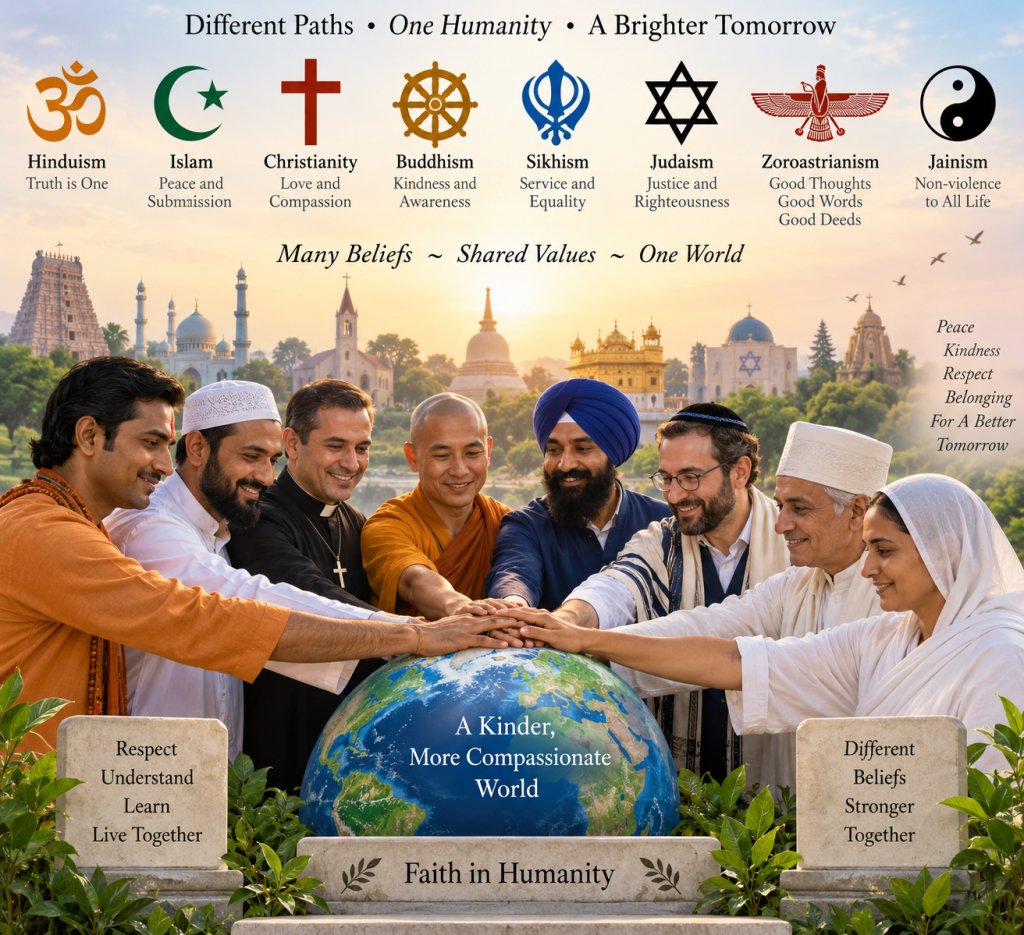
    இந்து மதத்தில் காலப்போக்கில் உருவான ஏற்றத்தாழ்வுகள், சாதி வேறுபாடுகள், சமூகப் பாகுபாடுகள் போன்றவற்றை மறைக்காமல் எடுத்துரைப்பது, இந்து மதத்தை எதிர்ப்பது என்று அவசியமில்லை. அதே நேரத்தில், அன்பு, கருணை, தர்மம், சமத்துவம், பிற உயிர்களை மதித்தல் போன்றவற்றை வலியுறுத்தும் தெய்வங்களையும் ஆன்மிகக் கருத்துகளையும் ஏற்றுக்கொள்வதில் எந்த முரண்பாடும் இருக்க வேண்டியதில்லை.

    ஒரு மதத்தின் பெயரில் மனிதர்களுக்குள் ஏற்றத்தாழ்வு உருவாக்கப்பட்டிருந்தால், அதை விமர்சிப்பதும்; அதே மதத்தின் உள்ளேயே மனிதநேயத்தைப் போதிக்கும் கருத்துகளைத் தேடி மதிப்பதும் ஒன்றுக்கொன்று எதிரான செயல்கள் அல்ல.

    என் வாழ்க்கையையே ஒரு சிறிய எடுத்துக்காட்டாக வைத்து இதைப் பார்க்கிறேன். வாழ்க்கையில் சந்தித்த அனுபவங்கள், மனிதர்களின் நடத்தைகள், மதநம்பிக்கைகள், மனமாற்றங்கள் ஆகியவற்றின் வழியாக, “எது உண்மையில் மனிதனை உயர்த்துகிறது?” என்ற கேள்வியைத் தொடர்ந்து ஆராய முடிகிறது.

    அதனால், இது எந்த மதத்திற்கும் எதிரான பிரச்சாரமாக இருக்க வேண்டியதில்லை. மாறாக, நம்முடைய சொந்த மதத்தையும் நம்பிக்கைகளையும் கூட நேர்மையாகக் கேள்வி கேட்டு ஆராயும் மனப்பான்மை தேவை.

    ஒரு மதத்தின் பெயர் முக்கியமா, அல்லது அந்த மதம் மனிதனிடம் உருவாக்கும் அன்பு, கருணை, நேர்மை, சமத்துவம் ஆகியவை முக்கியமா?

    இந்தக் கேள்வியை ஒவ்வொருவரும் தங்கள் வாழ்க்கை அனுபவங்களின் வெளிச்சத்தில் சிந்திக்க வேண்டும். தங்களுக்கு பிடித்ததை மட்டும் எடுத்துக்கொண்டு, பிடிக்காதவற்றை மறைப்பதற்குப் பதிலாக, நல்லவற்றை ஏற்றுக்கொண்டு, தவறுகளைத் திருத்த முயல்வதே உண்மையான ஆன்மிக வளர்ச்சியாக இருக்கலாம்.

    மதத்தைப் பாதுகாப்பதைவிட மனிதநேயத்தைப் பாதுகாப்பதும், நம்பிக்கையைப் பாதுகாப்பதைவிட உண்மையைத் தேடுவதும் உயர்ந்த அணுகுமுறையாக இருக்கலாம்.

  • 21 lessons for 21st century

    21 lessons for 21st century

    Have you ever regretted reading a book — which one and why?

    Suppose, I wouldn’t have read this book, I would be normal like others, happily enjoying AI  and spending time casually.

    But having read and understood it’s warnings and forecasting future, now I am much worried like other readers.

    Future would be tough and everything is changing now and then, everyone must become life long learning mode which is impossible for all.

    That’s why I said having read whole book,my heart is heavy thinking about future generations.

  • Best and worst airports

    What’s the best and worst airport you’ve been to?

    Heathrow airport London, the best one.

    Accra, Ghana Airport not just ok, as even baggage missing happened

    To mention one more air the best is Zurich Switzerland.